
01
Outside lines
SIP trunks over the internet, or analog lines on FXO ports where the site keeps them.
6line-selection modes decide which route an outbound call takes
IP Telephony & SIP Communication Systems · Guangzhou, China
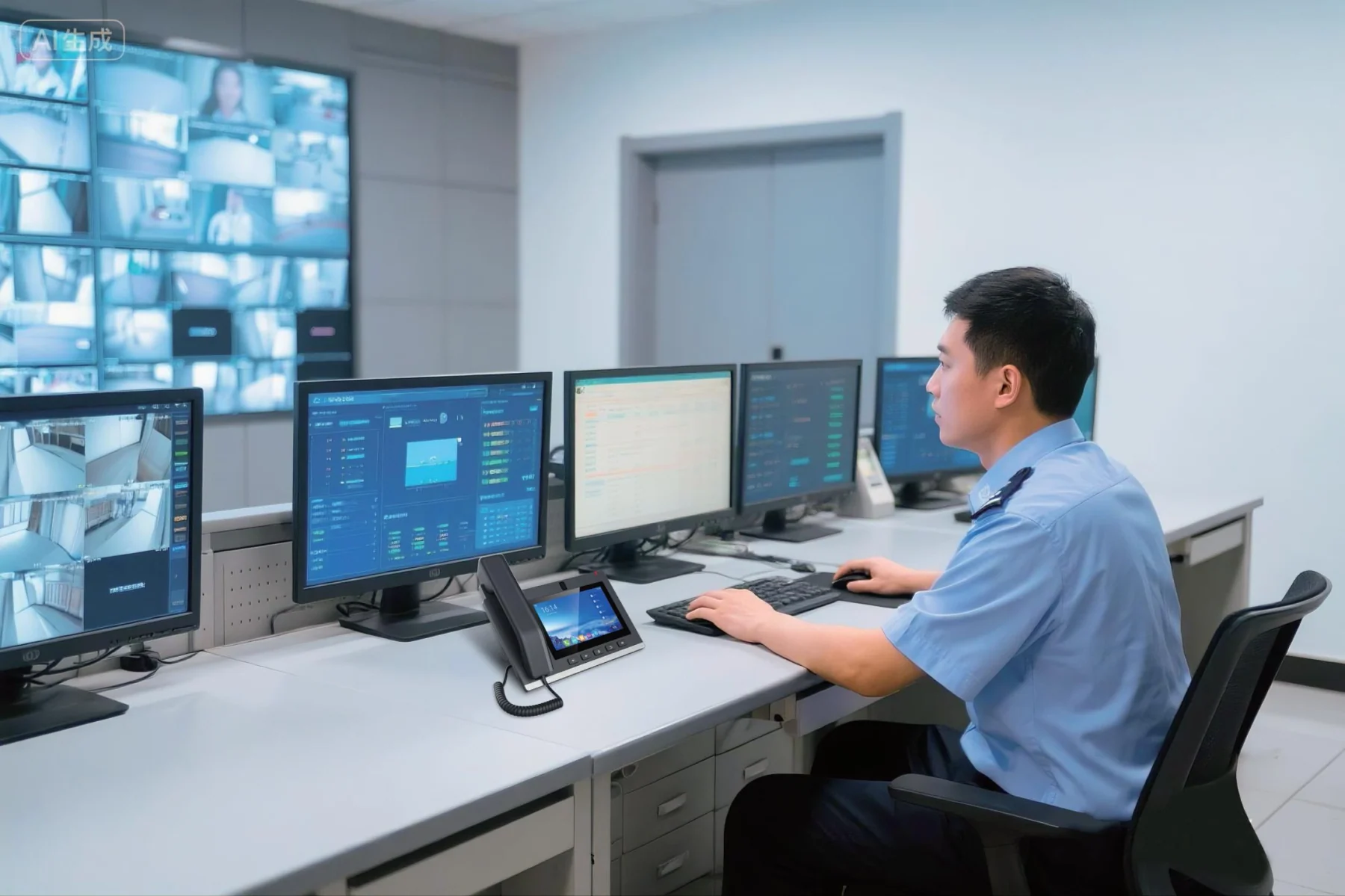
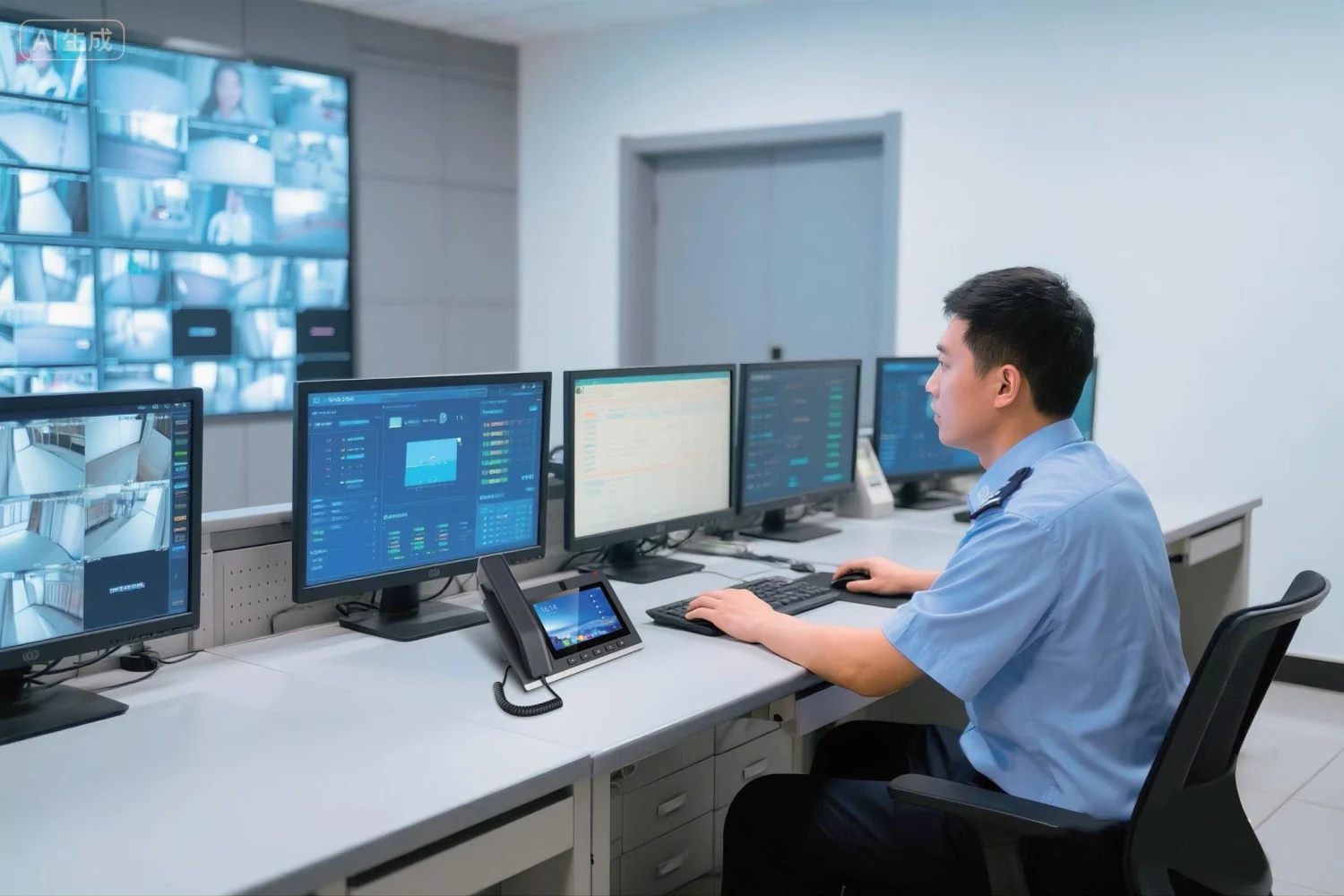
Manufacturer & system integratorDesign · Supply · Commissioning · Support
One integrator for the whole chain: we size the system for the building first — extension plan, trunk count and endpoint list — then supply the PBX and every endpoint from a single place and commission it as one system. From 24 SIP trunks in a small office to 1000 across a multi-site estate.
System design
Extension plan, trunk count and endpoint list worked out against the building before anything is quoted.
Equipment supply
PBX, phones, intercom, nurse call and paging hardware from one supplier, configured as one system.
Commissioning
Provisioning, dial plan and integrations set up so the system is closer to working on arrival.
Technical support
Wiring, configuration and fault-finding help by email and WhatsApp after handover.
Three layers, and every model number on this site belongs to one of them. That is the whole architecture — the sizing question is only ever how many lines come in and how many devices hang off the core.
SIP trunks over the internet, or analog lines on FXO ports where the site keeps them.
6line-selection modes decide which route an outbound call takes
One system holds the dial plan, extensions, groups, voicemail, recording and the route table.
24–1000SIP trunks, decided by which of the models fits the site
Desk phones, hotel handsets, wireless handsets, door stations, ward terminals and paging speakers all register to the same core as extensions.
7endpoint families, all registering to the same core
Eight ranges, 72 models. Start from the exchange if you are building a system, or from the endpoint if you are replacing one.
Five models spanning 24 to 1000 SIP trunks, with analog ports from zero to ninety-six. One of them fits the site — the comparison below shows which.
5 models
Twenty-nine desk and wall phones spanning 2 to 20 SIP lines, screens from a 2.3-inch monochrome panel to a 7-inch Android touch screen, and wireless either built in or added by an adapter. Every one registers as a SIP extension.
29 models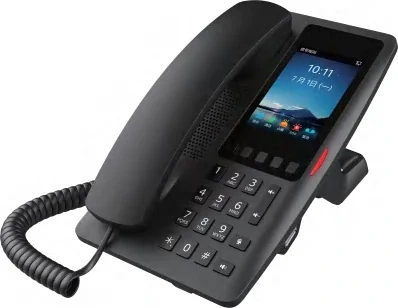
Seven guest-room handsets built around one-touch service keys, with Wi-Fi 6 options, USB charging, PoE and one cordless model. The table below puts the differences side by side.
7 models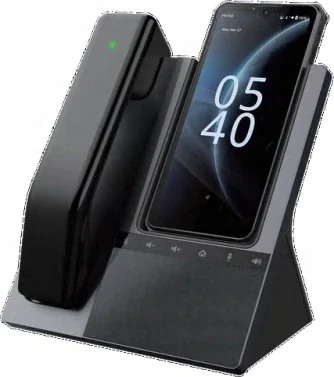
DECT and Wi-Fi handsets, a multi-cell DECT base and a radio-over-IP gateway in one range. The table shows how the five differ on radio, capacity and battery.
5 models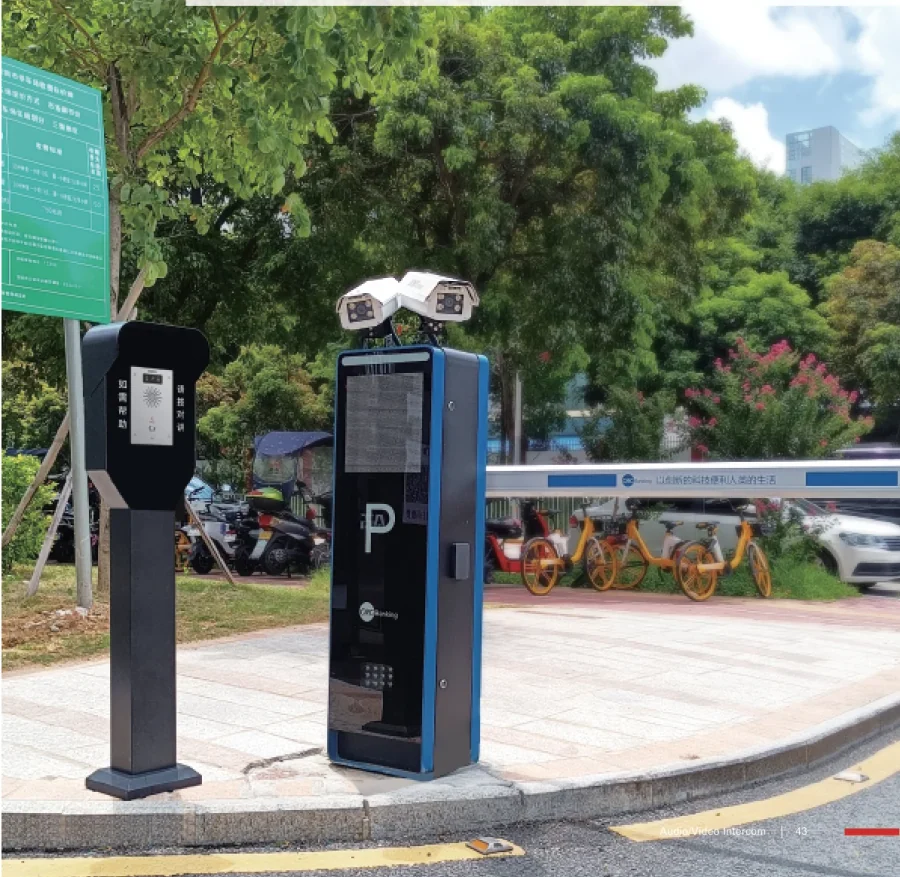
Three entrance products: a wall panel for the door beside a room, an outdoor station for gates and posts, and a face recognition door phone for apartment and office entrances. All three register over SIP.
3 models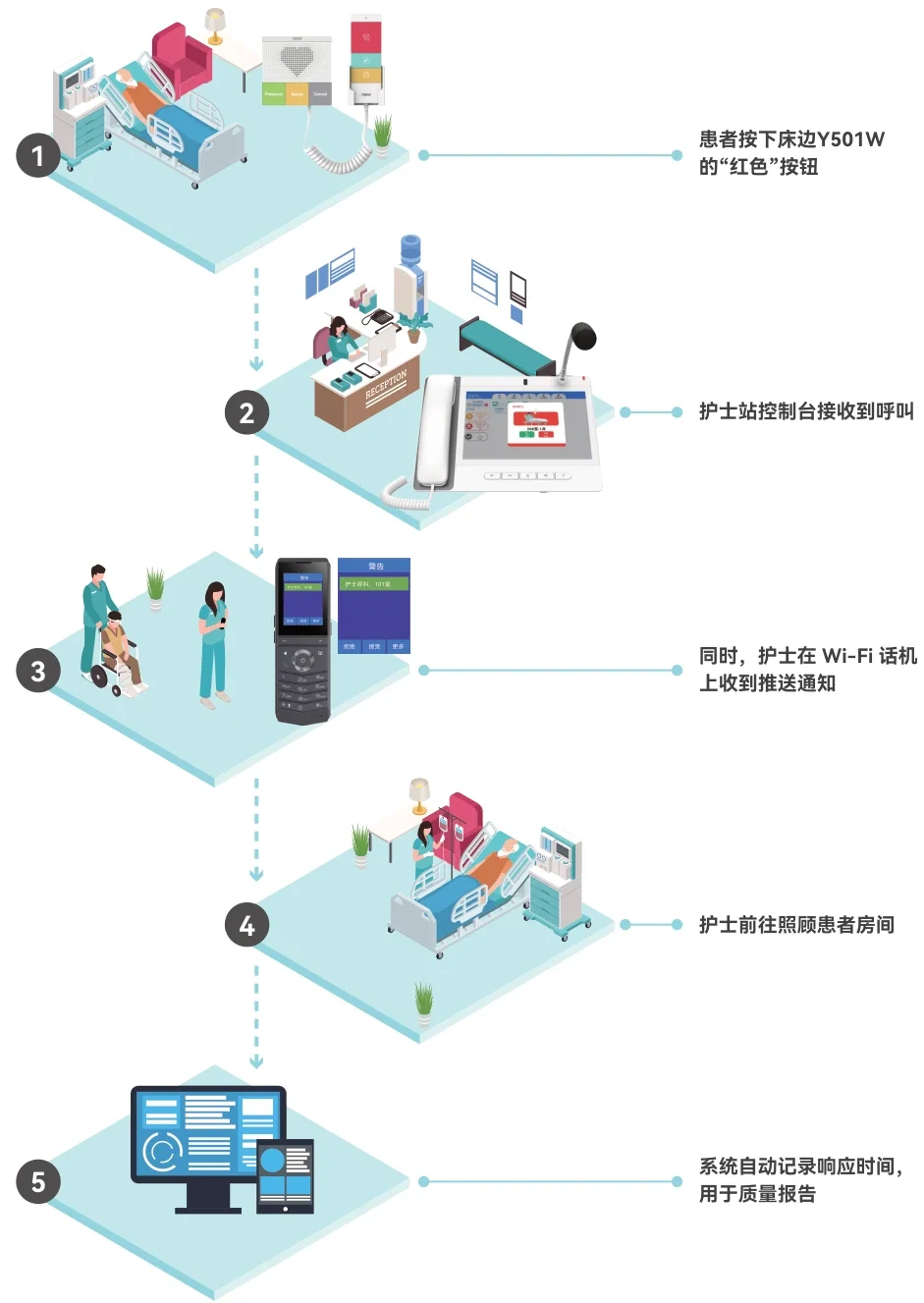
From the pull cord in the bathroom to the console at the nurse station: bed-side and bathroom call points, big-button room phones, the Android consoles that answer and log the calls, and the entrance station that watches the door.
9 models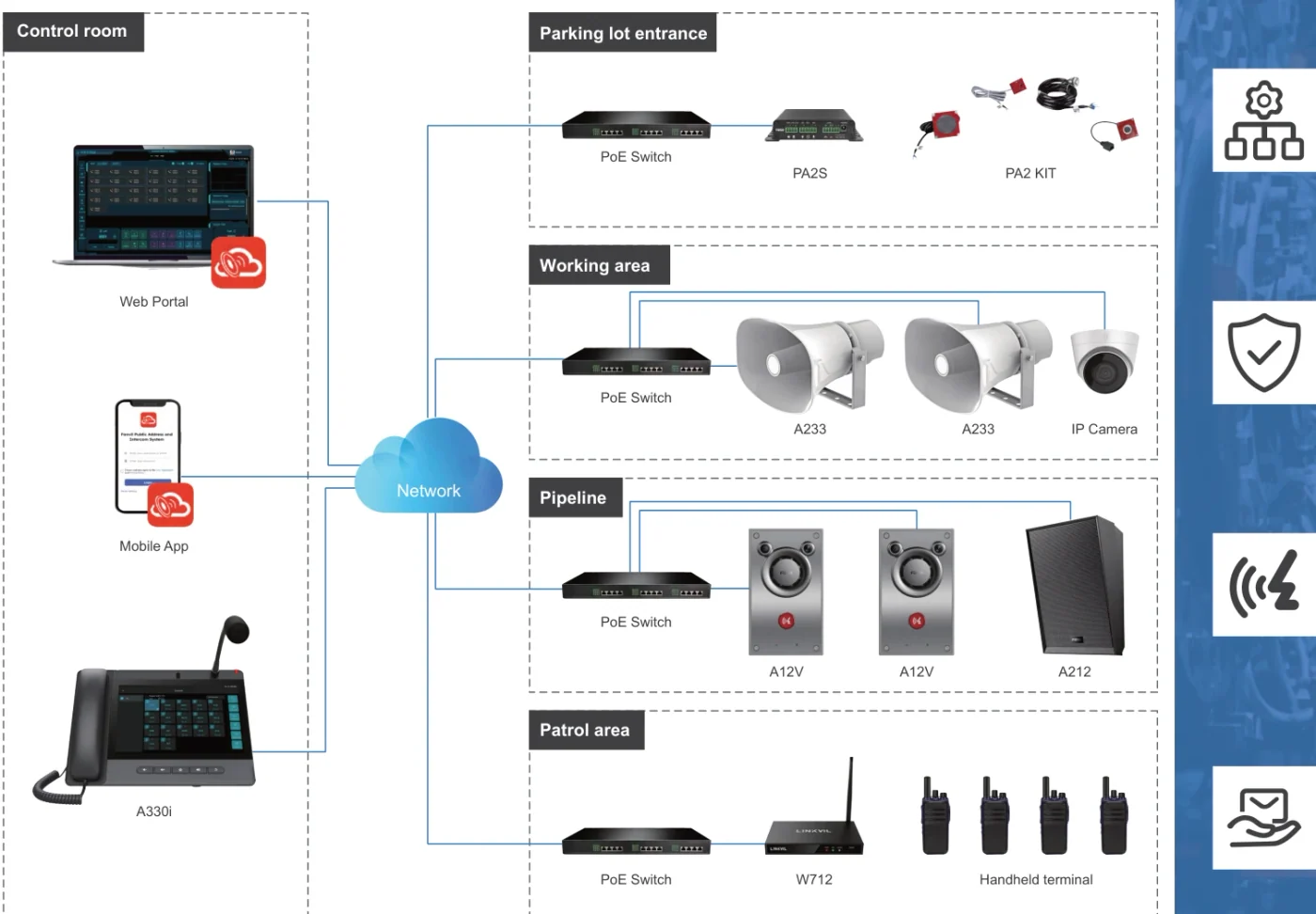
SIP paging gateways, ceiling and wall speakers, a video speaker and the desk phones that trigger the announcements — deployable as a server-based system, a serverless one managed from a console phone, or stand-alone IP endpoints.
8 models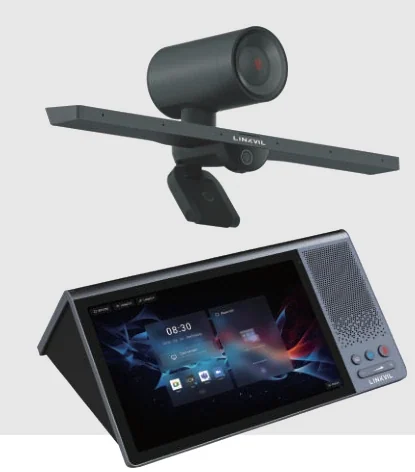
Six products for the rooms and the desks around a phone system: an all-in-one conference terminal, a wireless conference kit, a USB camera, open-ear Bluetooth earbuds, an ATA gateway for analog phones and a 2-wire converter for retrofit cabling.
6 models| Model | Analog ports | Max SIP trunks | Hot standby |
|---|---|---|---|
| OM20G | 4 | 24 | — |
| OM50G | 12 | 62 | — |
| OM80E | 48 | 216 | — |
| OM200G | 96 | 496 | — |
| OM1000-UC | 0 | 1000 | ✓ |
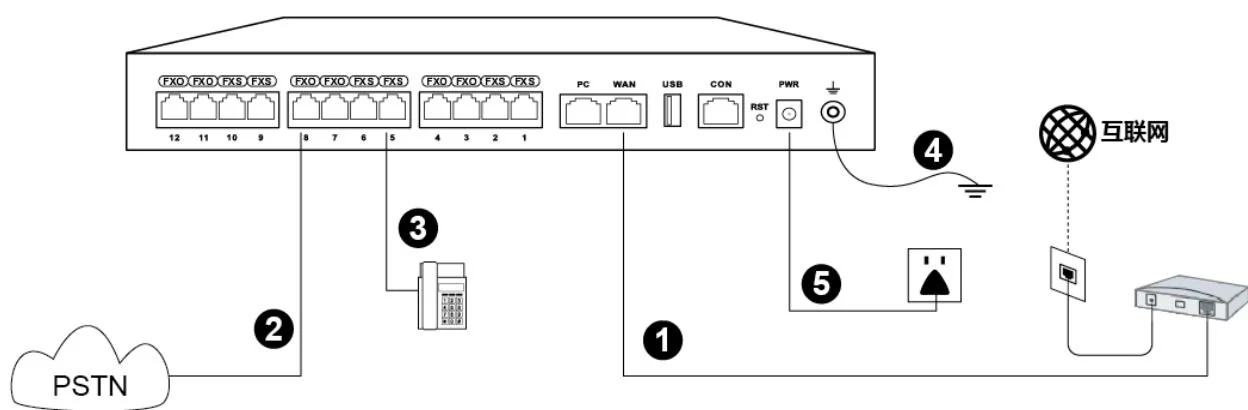
Uplink to the internet, PSTN lines, analog phones and grounding all land on the same chassis. Getting these four right first is what makes the rest of the deployment straightforward.
A hotel, a ward and an open-plan office need the same core with different endpoints. Each page below lists the device plan area by area and the configuration by size.
Guest rooms, front desk and wake-up calls on one IP PBX.
Ward call points, nurse consoles and site telephony on one network.
Call points, corridor indication, console and portables as one chain.

Desk, door and wireless intercom on one business PBX.
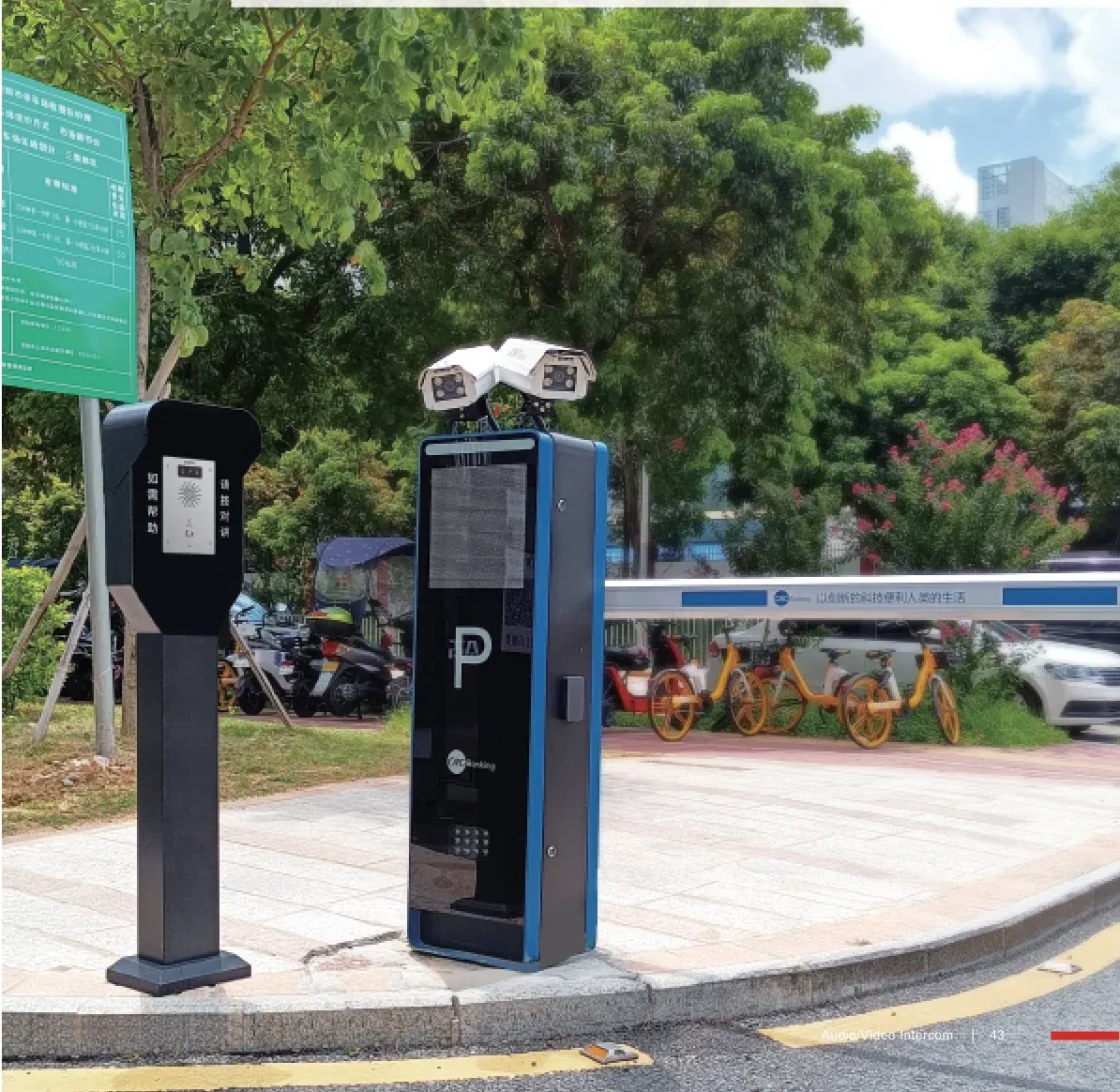
Entrance stations, indoor units, guard desk and lift control.
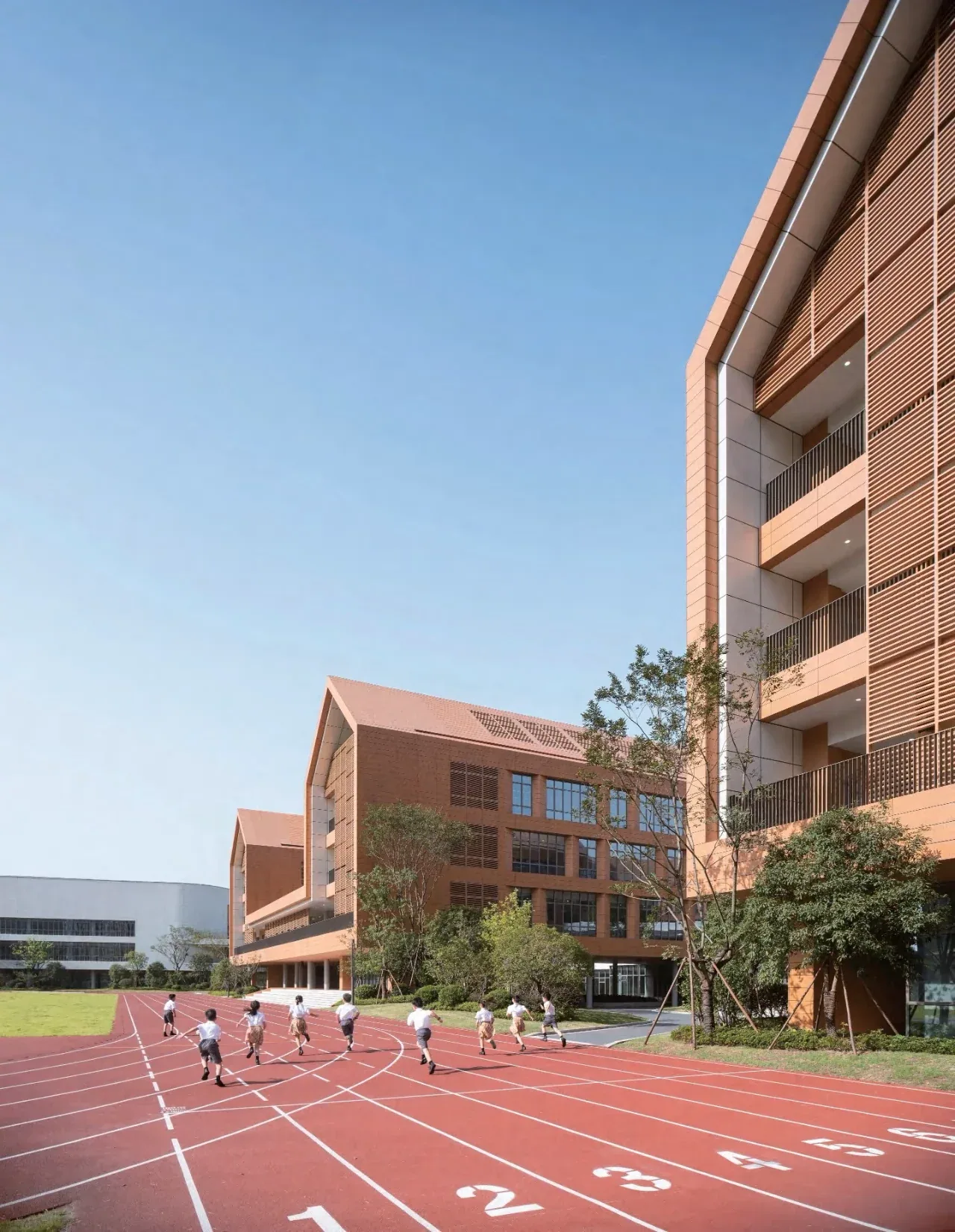
Staff phones, campus paging and one-touch emergency calls.
6 worked designs with a complete equipment list — an office, a hotel, a clinic, a nursing home, a multi-floor enterprise and a campus broadcast system. Each one is a reference design built from the product datasheets.
Up to 50 extensions with eight analog ports kept for fax and existing handsets.
Guest-room handsets with named service keys, bathroom phones and a PMS link.
Bedside and door-side stations, a pull cord in every room, one nurse console.
Seventy bedside stations in forty rooms, with corridor lights and caregiver handsets.
A thousand-trunk SIP core, 300 desks over four floors and a branch on the same dial plan.
Fourteen zones, seventy SIP speakers and ten emergency call points on one network.
The PBX, the phones, the intercom, the paging and the accessories come from one place, so the extension plan, the cabling and the power budget are consistent.
Extension count, trunk count and endpoint count are worked out first, then the model is chosen. The system planner does that arithmetic in the browser.
Every published figure comes from the product documentation. Where a manual does not state a value, the page says so instead of filling the gap.
Extension plans, provisioning files and interface language can be prepared before dispatch, so the site is closer to working on arrival.
About Us
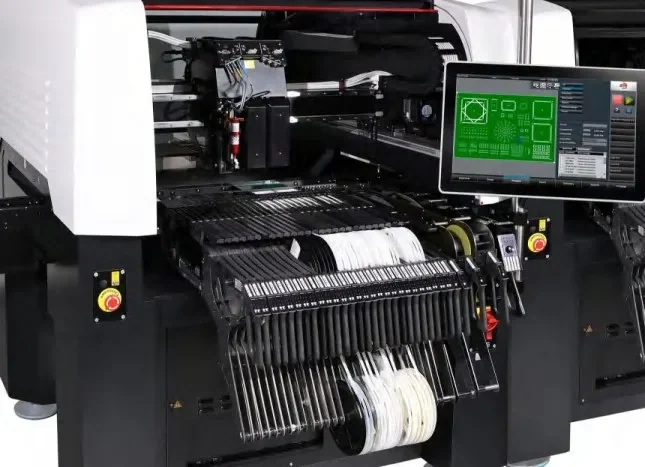
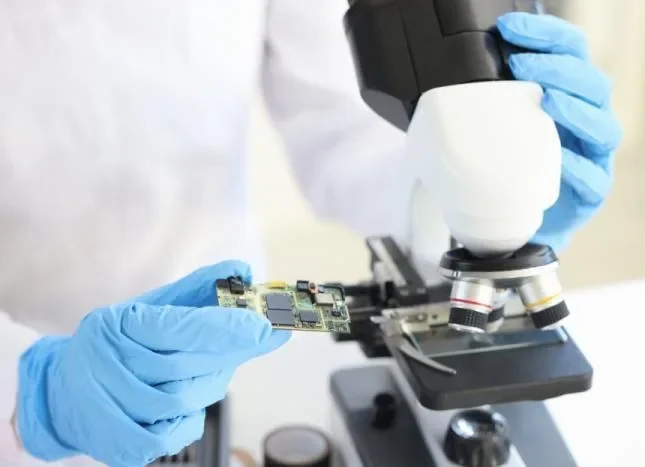
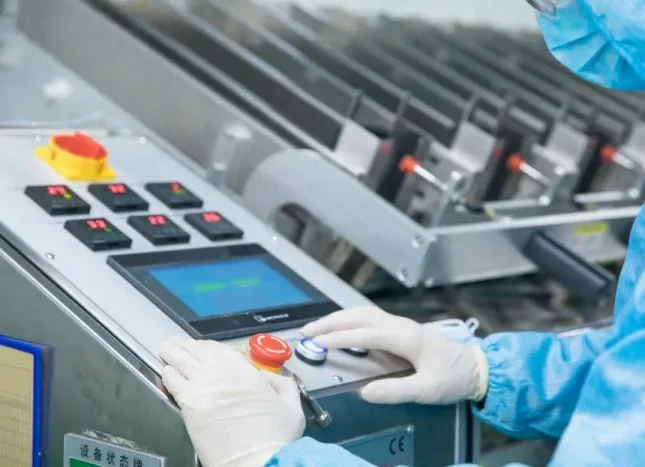
Production runs across a dust-free workshop, SMT mounters, PCBA processing, assembly lines and warehouse logistics. Electrical and functional tests are performed before packing, and each batch is traceable by model and production order.
Notes from planning and configuring IP telephony systems — sizing by SIP trunks, line selection, cabling, codecs and the tests before handover.
Fax
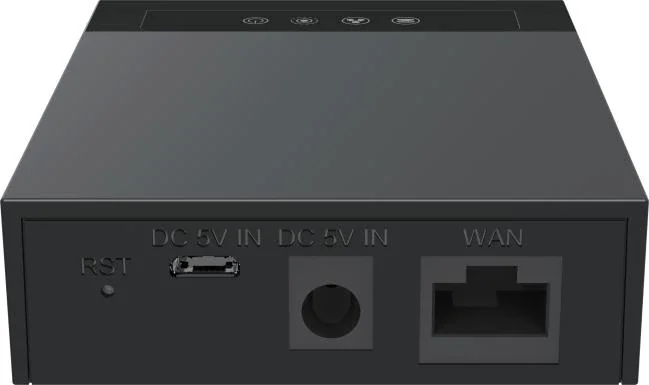
Why fax fails on a working voice call, which of the two modes fits which line, the speed defaults that matter, and how to number the fax extension.
8 min read
Cabling and power
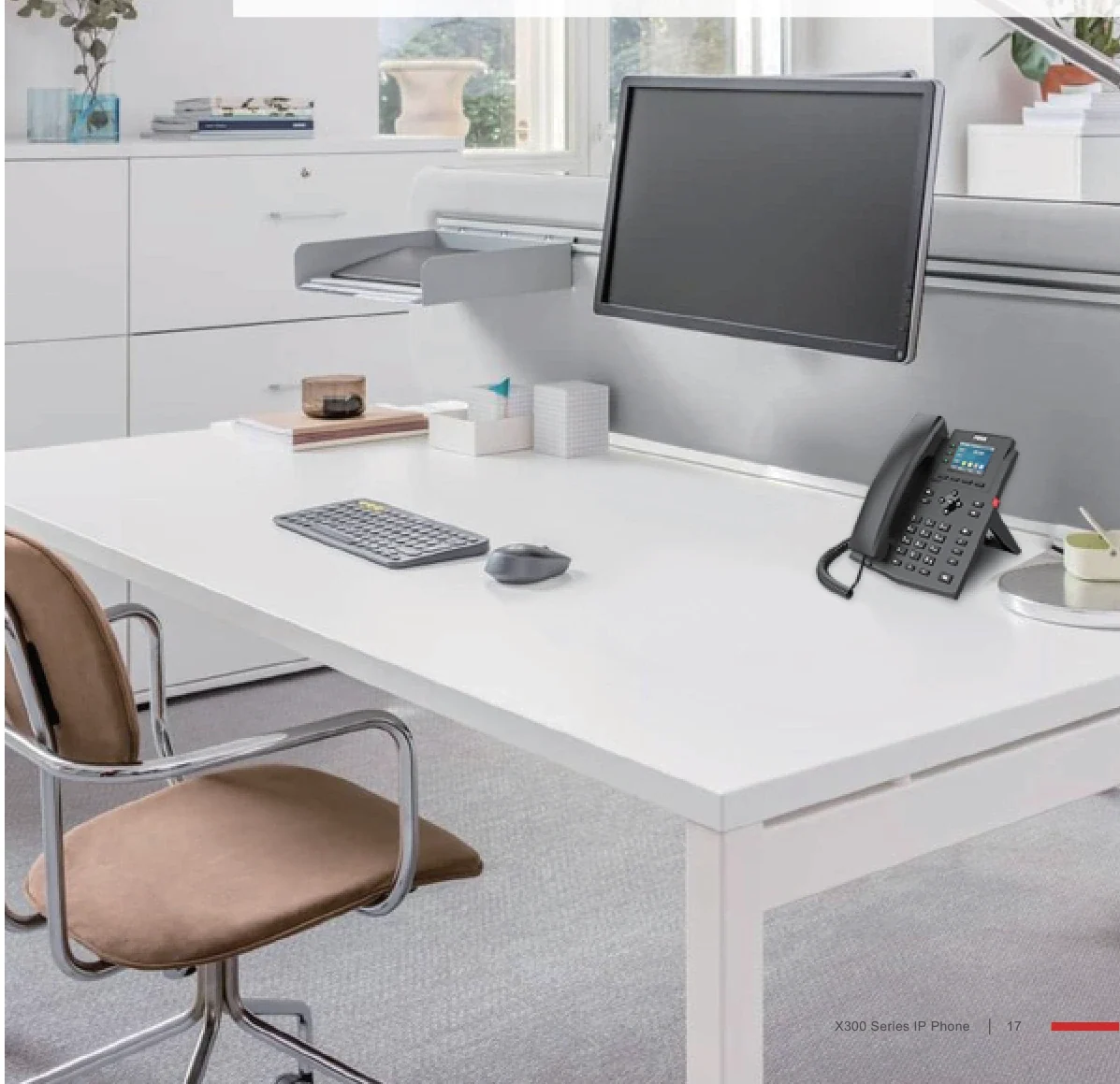
Which models state PoE and which do not, where the published consumption figures sit, how to size the switch, and why port speed matters too.
8 min read

Networking
What breaks when a phone or the PBX sits behind NAT, the punch-through and port-mapping routes, and the two headers that fix one-way audio.
8 min read
Send us the site type, the number of extensions or rooms and the areas to cover — we will come back with a configuration and quotation.
Six facts build a configuration: site type, extensions or rooms, simultaneous calls, areas to cover, existing lines and the documents you already hold. Send as many as you know — nothing has to be final before the first reply.
Work out extensions, trunks and endpoint counts before you specify the hardware.
Page author: NEXVIA EngineeringPublished: Last updated: